
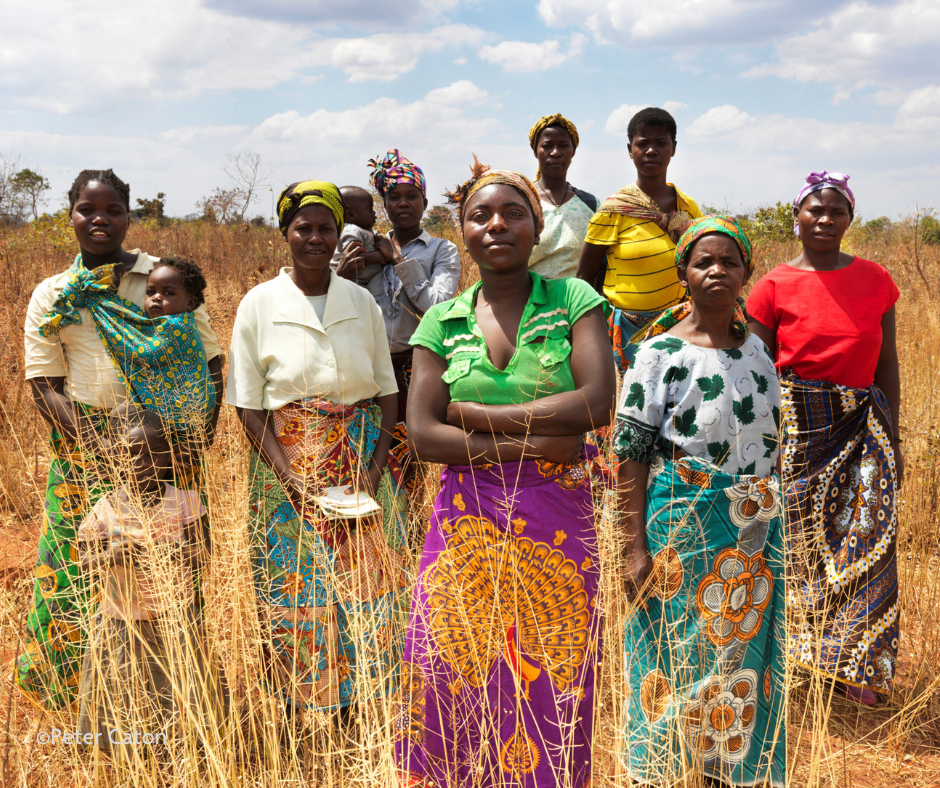
Listening to women leaders in the field of financial inclusion
A fundamental issue for the Grameen Crédit Agricole Foundation
Since its creation in 2008, the Grameen Crédit Agricole Foundation (GCA Foundation) has pursued Professor Muhammad Yunus's vision that women's financial inclusion is a powerful lever for empowerment. Despite significant progress, 742 million women remain excluded from the global financial system, and women-owned SMEs face a credit gap of $320 billion, even though they have lower non-performing loan rates than men.
Improving women's access to financial services generates a triple impact: strengthening women's control over resources and decision-making, stimulating sustainable economic growth, and improving household financial stability and community well-being.
Understanding the challenges by listening to women leaders
During a side event at the African Financial Inclusion Week 2025 in Nairobi, the GCA Foundation organized a roundtable with women leaders from partner institutions: Susan Chibanga (CEO of Agora Microfinance Zambia), Josephine Namugga and Florence Mutonerwa (respectively Finance Manager and Product Development Manager at UGAFODE Uganda).
Structural and cultural obstacles
Women face multiple barriers: lack of guarantees, limited financial and digital literacy, and a lack of confidence. In rural areas, these obstacles are compounded by restricted mobility and limited property rights. The digital divide exacerbates these difficulties, with women being 81% less likely to own a mobile phone and 141% less likely to use mobile internet in low- and middle-income countries.
Susan Chibanga emphasized the crucial importance of the support system: "If the support system is not supportive, a woman can succeed while feeling excluded. We must certainly make equal access possible, but this will not work for women if we do not make that access desirable for them."«
Effective approaches to empowerment
The participants advocated for inclusive approaches rather than those reserved solely for women. Digital transformation represents a strategic imperative, enabling women to manage their transactions from home while juggling their other responsibilities.
Florence emphasized the importance of having women in decision-making positions: "When a woman holds a leadership role, it brings considerable added value to our clients, because a woman is better positioned to understand the needs of another woman." UGAFODE's objective is to increase the proportion of female clients to 401% by the end of 2027.
Local initiatives and partnerships
The progress made by AMZ and UGAFODE is supported by enabling local environments. In Zambia, the National Financial Education Strategy 2019-2024 and the National Financial Inclusion Strategy 2024-2028 specifically target women from vulnerable groups. In Uganda, the National Financial Inclusion Strategy 2023-2028 includes a strategic objective focused on women's inclusion.
Partnerships are essential for developing innovative approaches. UGAFODE, with the support of the GCA Foundation, is launching a study on female clients to increase their proportion in its portfolio. Since Women's World Banking became a shareholder, UGAFODE has also implemented a gender-focused action plan.
The experience of these female leaders reveals that women's empowerment requires a holistic approach that considers not only access to financial services, but also cultural dynamics and support systems. The GCA Foundation continues its mission to make financial inclusion a powerful lever for empowering women and their communities worldwide.
For more details, discover the full article by clicking here.