Inclusive Insurance in Rwanda: A Model for Africa

Inclusive insurance in Rwanda: a model for Africa

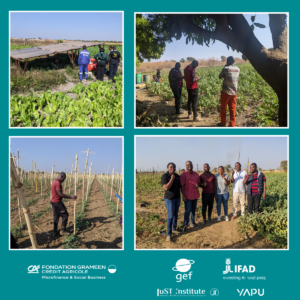
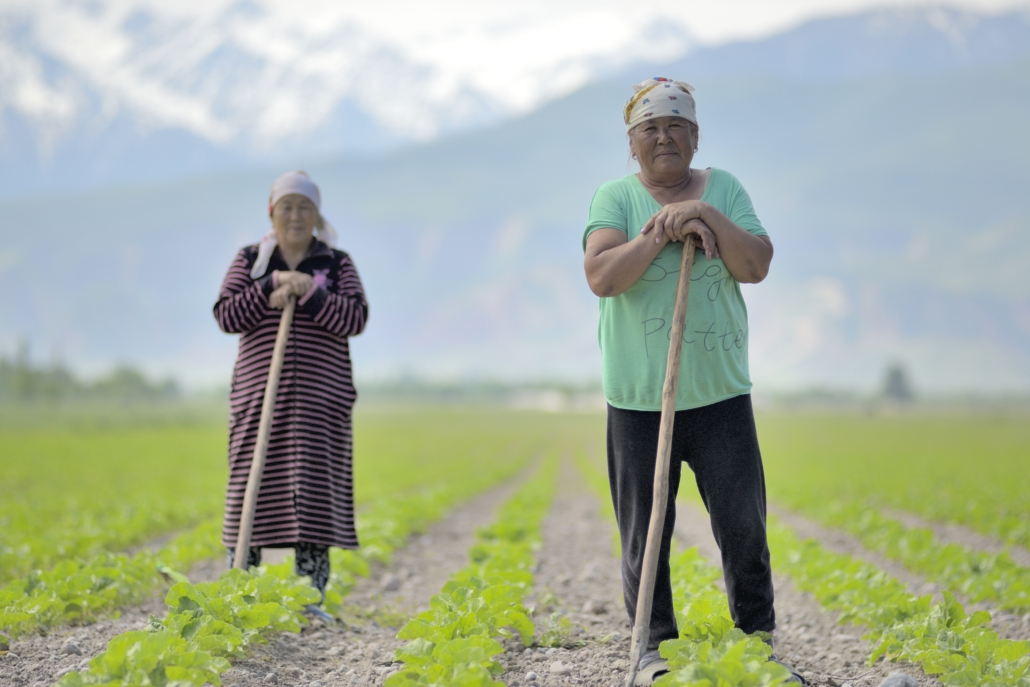
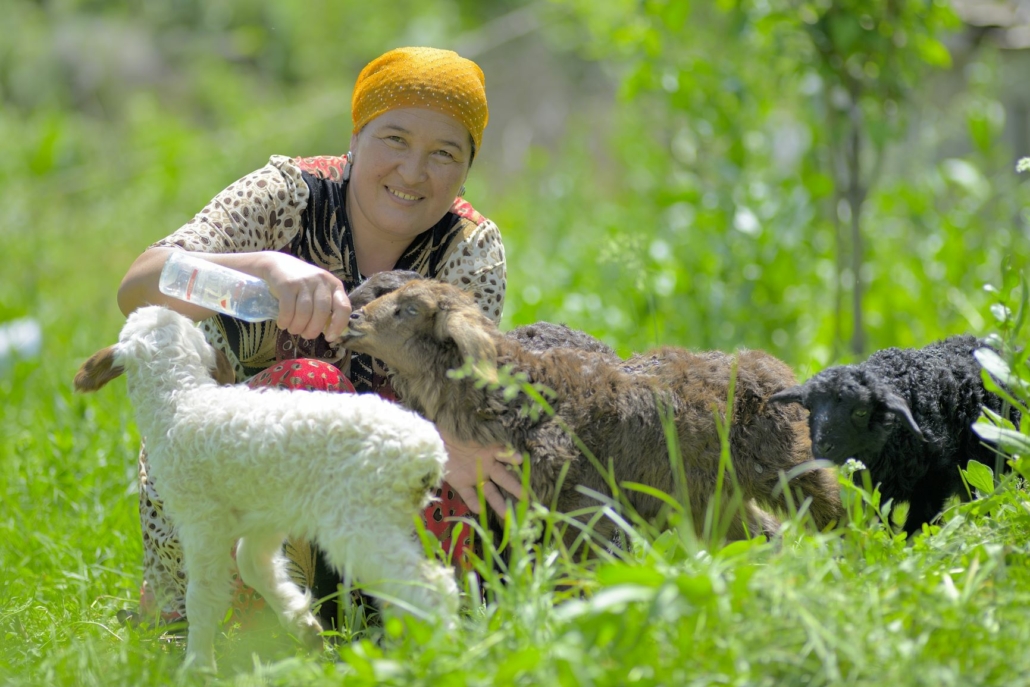
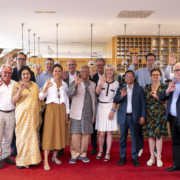
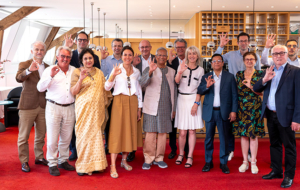
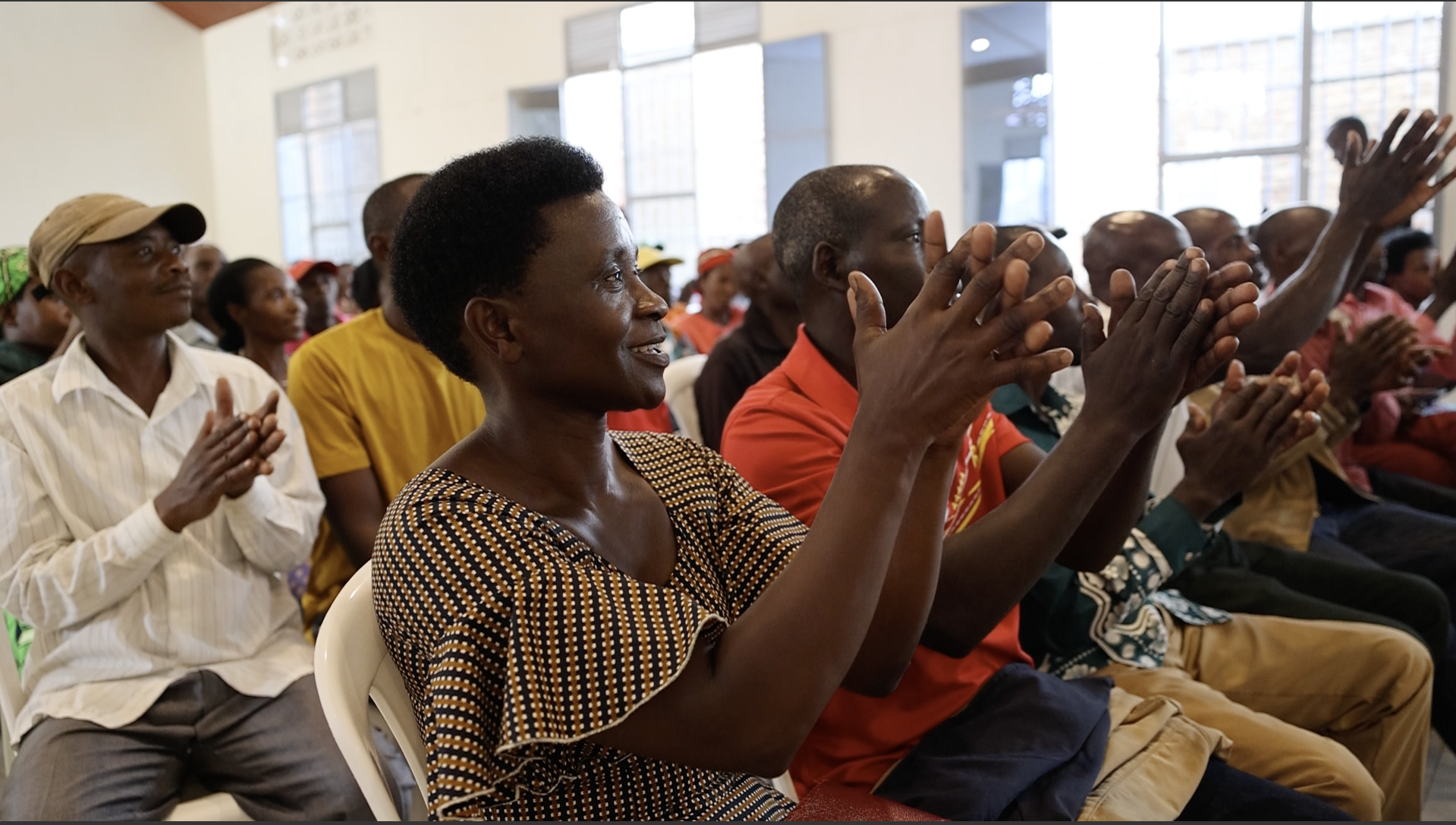
In Rwanda, inclusive insurance is not a theory, it is an operational lever protecting farmers against climate and economic shocks. In the framework of a programme conducted in partnership with the International Labor Organization (ILO) and financed by Proparco, a field exchange brought together 17 practitioners from 12 organisations across 9 countries to observe how a structured ecosystem, where public authorities, insurers, and microfinance institutions collaborate, makes insurance protection accessible to vulnerable populations.

Radiant Yacu, Rwanda's first dedicated microinsurance company, illustrates this dynamic: growing from USD 8,000 in premiums in 2019 to USD 6.7 million in 2024, it demonstrates how adapted products, innovative distribution, and a supportive institutional framework can transform insurance into a real lever for local development. The Rwandan government plays a key role by subsidising 40% of agricultural insurance premiums, removing a critical access barrier.

But Rwanda is not the only country facing challenges. Participants from West Africa shared different realities: insecurity in Mali and Burkina Faso destabilising portfolios, growing climate risks in Togo and Benin, and limited comparable public engagement. These field experiences reveal that the success of inclusive insurance depends on five essential conditions: simple and affordable products, innovative and proximity-based distribution, financial education, transparency in claims payment, and a supportive institutional framework.

Discover how these lessons redefine the conditions for success of inclusive insurance in Africa and how to adapt the Rwandan model to different contexts.


🔗 Full article via this link.

A strategic partnership to transform agricultural finance in Africa

Mobilizing French expertise in the service of rural resilience

During the Business Forum of the Africa Forward summit in Nairobi, the French Development Agency (AFD), the Grameen Crédit Agricole Foundation, Crédit Agricole Assurances, ZEP-RE and ACRE Africa have announced the signing of a structuring partnership aimed at facilitating access to agricultural financing in Africa.

This strategic alliance addresses a major challenge: millions of African smallholders remain exposed to climate shocks without adequate financial protections. Every year, drought, floods or crop diseases threaten crops and the livelihoods of entire families.


An integrated and innovative approach

The partnership combines three complementary pillars to create a resilient ecosystem:

  • Parametric insurance protects farmers’ incomes in the event of a climate disaster, providing quick and predictable coverage based on objective data.
  • Digital solutions enable accurate risk assessment and facilitate access to credit through advanced modeling tools and satellite data analysis.
  • Integrated finance connects smallholders with the resources needed to invest, grow and build resilience.


An ecosystem of expertise mobilized

This initiative mobilizes a set of actors recognized for their expertise in agricultural finance, climate insurance and digital solutions. Crédit Agricole Assurances is particularly committed by seconding a project manager and providing experts for specific missions.

ZEP-RE and its subsidiary ACRE Africa, key players in the regional insurance and reinsurance market, guarantee a deployment adapted to local realities and in close collaboration with banks, microfinance institutions and agricultural value chains.


Towards a more resilient African agriculture

As stated by Véronique Faujour, General Secretary of Crédit Agricole S.A. and General Delegate of the Grameen Crédit Agricole Foundation: "There can be no sustainable agricultural financing without sustainable protection. By mitigating risk, we make the investment possible and sustainable.”

This partnership demonstrates how French expertise can catalyze concrete, replicable and high-impact solutions. By combining insurance, data, and financing, it creates the conditions for smallholders, especially women entrepreneurs, to access the credit they need to thrive.

In a context where African agriculture concentrates a significant share of economic resources and jobs, this innovative approach paves the way for a sustainable transformation of agricultural markets and increased resilience to climate challenges.


Link to the press release

Proparco and the Grameen Crédit Agricole Foundation strengthen their historic partnership

A partnership of more than 15 years that continues to grow stronger. The Grameen Crédit Agricole Foundation teams welcomed at the Foundation the one from Proparco to celebrate and deepen this strategic collaboration in the service of financial inclusion in Africa and Asia.

A meeting rich in exchanges and results

This meeting allowed both organizations to capitalize on their common successes and share the progress of high-impact projects: financial inclusion of displaced populations in Uganda, the support of microfinance institutions on gender issues and climate change adaptation, as well as the development ofoffers innovative microinsurance offerings..

The signing of a 9th ARIZ guarantee

The highlight of this visit was the signing of the ninth ARIZ portfolio guarantee for an amount of 25 million euros. This guarantee, granted by PROPARCO, will enable the Grameen Crédit Agricole Foundation to continue and expand its activity in riskier geographies where access to financial services remains limited.

Françoise Lombard, CEO of Proparcostressed the importance of this partnership: 'GCA is a valuable partner for Proparco, thanks to its recognized expertise and ability to innovate to meet the needs of financial inclusion, particularly of women and people in rural areas. Today, we are very pleased to strengthen our partnership with the signing of this ninth ARIZ portfolio guarantee.’ »

Beyond the signature, the real impact

For Véronique Faujour, Secretary General of Crédit Agricole Group, this signature has a profound meaning: ‘What matters to us is not the signing of a guarantee, but what it makes possible on the ground: resilience, dignity and opportunities where they are most lacking.’ »

This renewed partnership between Proparco, and the Grameen Crédit Agricole Foundation reflects a shared conviction: financial inclusion is a major lever for sustainable development and social transformation.

The Grameen Crédit Agricole Foundation joins FAIR

The Grameen Crédit Agricole Foundation announces its integration into FAIR, THE French collective of social and ecological impact finance. This membership marks a strengthening of its commitment to solidarity finance and transparency.

FAIR: a collective dedicated to impact finance

Founded in 2021, FAIR brings together more than 150 committed stakeholders Financial institutions, management companies, social enterprises, NGOs, universities, and prominent figures. Recognized as the French center of expertise FAIR, a social impact finance company, is committed to a world where finance is a major lever major to transitions, giving priority social and environmental impact. The collective works towards building a more humane economy, a more united society and a fairer world.

By joining the collective, members benefit from regular expertise, advocacy with public authorities, increased visibility, funding synergies with other social and solidarity economy actors, as well as the opportunity to contribute to discussions on financial innovation and impact.

A strengthened positioning to enhance impact

This membership in FAIR strengthens the position of the Grameen Crédit Agricole Foundation as a’trusted player in socially responsible finance and financial inclusion. It demonstrates its commitment to using finance to achieve social and climate impact on a global scale.

Through this approach, the Foundation reaffirms its commitment to responsible, transparent finance that is truly oriented towards social and environmental change.


Learn more on the FAIR Finance website via this link.


Podcast: A Journey with Changemakers in Inclusive Finance and Social Entrepreneurship #4

Episode 4: Building Empires from Dreams – Dolores M. Torres' Blueprint for Poverty Eradication

Discover the podcast: Episode 4

Welcome to our podcast series

The Grameen Crédit Agricole Foundation continues its podcast series that brings you transformative stories of leaders from the Grameen family who are reshaping the landscape of inclusive finance and social business across the globe. In this fourth episode, we sit down with Dolores M. Torres, president emeritus of CARD (Center for Agriculture and Rural Development), one of the one of the world's largest women-focused microfinance institutions , to explore how a vision born from personal commitment has transformed the lives of more than 10 million Filipinos.

What you'll discover

Dolores M. Torres shares her remarkable journey from a young volunteer with the Philippine Business for Social Progress to co-founding CARD with just 20 pesos and a dream. Discover how she developed a business that now operates through 3,700 offices, and how the Grameen model inspired her to create institutions owned and governed by the women they serve. Learn how listening to clients transformed a single microfinance organization into a group of 34 interconnected institutions serving insurance, education, healthcare and financial services to over 33 million Filipinos.

Key Highlights

  • From Volunteer to Visionary : How personal experience with poverty fueled a lifelong commitment to social development and inspired the founding of CARD in 1989 with just 89 women members
  • The Power of Client Ownership : Why placing institutions directly in the hands of poor women, through board representation, policy design, and strategic decision-making, became the cornerstone of CARD's extraordinary success
  • Inspired by Grameen : How Professor Muhammad Yunus's credit discipline model transformed CARD's operations, starting with 100% repayment rates among the first 89 women members and scaling into a global movement
  • Listening as Strategy : The transformative practice of continuously listening to clients' needs, from training under mango trees to building a government-authorized microfinance school, that led to the creation of 34 diverse institutions
  • Homegrown Leadership : How CARD's commitment to staff development created a culture of retention, with the first account officer becoming managing director and the first bookkeeper now leading the bank
  • Microfinance as Vocation : The critical message for the next generation: treating microfinance not as a job but as a calling, while embracing digital transformation and AI to attract younger leaders without losing sight of the human mission
  • Scaling with Purpose : How strategic partnerships with organizations that share CARD's mission, rather than those imposing external agendas, enabled sustainable growth and authentic impact

Why this matters

As the world faces rapid technological change and shifting development priorities, Dolores M. Torres' story demonstrates that sustainable poverty alleviation requires more than financial innovation. It demands genuine commitment, client empowerment, and the courage to dream big while staying grounded in core values.

In an era where AI and digital tools are reshaping financial services, CARD's experience shows how technology can enhance rather than replace the human touch that defines transformative microfinance. The emotional connection between staff and the communities they serve remains the true engine of change.

Perfect for

Impact investors, social entrepreneurs, development professionals, policymakers, nonprofit leaders, women leaders and activists, technology innovators, and anyone passionate about creating meaningful change through client-centered finance, women's empowerment, and social business.

Key quote

" We dream big, just like Grameen Bank. When we started CARD as an NGO, we dreamed of establishing a bank that would be owned by the poor women. At that time, it looked impossible. We only had 20 pesos. But we promised them we will build a bank that you will own, and we realized it. » – Dolores M. Torres

Listen now

Be inspired by a leader who has dedicated her life to proving that poverty is not inevitable, it is a choice we can collectively reject through inclusive finance, women's empowerment, and unwavering commitment to social mission.

________________________________________

A Journey for Change in Inclusive Finance and Social Business : Where impact meets innovation.

Subscribe to our podcast series to stay updated on upcoming episodes featuring other transformative leaders from the Grameen family who are driving change across continents and sectors.

Discover the podcast via this link


French transcript

English transcript

Podcast: A Journey with Changemakers in Inclusive Finance and Social Entrepreneurship #3

Episode 3: From Founder to Visionary: Alex Counts' Plan for Coordinated Impact

Discover the podcast: Episode 3

Welcome to our podcast series

The Grameen Crédit Agricole Foundation continues its podcast series that brings you transformative stories of leaders from the Grameen family who are reshaping the landscape of inclusive finance and social business across the globe. In this third episode, we sit down with Alex Counts, founder of Grameen Foundation and pioneering architect of microfinance for over 30 years, to explore his vision for a unified and coordinated Grameen movement.

What you'll discover

Alex Counts shares his remarkable journey from a decade-long apprenticeship with Professor Muhammad Yunus in Bangladesh to founding Grameen Foundation, leading it for 18 years, and remaining an adviser and friend of the organization to this day. Discover how the microfinance sector has evolved from a revolutionary idea, that the world's poor are bankable, into a global movement, and how strategic coordination among Grameen organizations can amplify collective impact in an era of rapid technological change.

Key Highlights

  • The revolutionary insight : How Professor Yunus proved that poor women are bankable and that financial services can be delivered profitably while creating measurable social impact
  • Breaking geographical barriers : Understanding why the Grameen model succeeded in unexpected markets, from India to the United States and the critical role of maintaining core values in adaptation
  • Digital innovation with purpose The opportunities and risks of technology in financial inclusion, and why a "magical app" alone cannot solve poverty
  • Coordinating the Grameen family We can model our network after successful universities, where different schools and departments have autonomy but there is also a unified brand and strategy to ensure coordination and coherence
  • Staying grounded in mission : The urgent need to preserve Professor Yunus's core values in an age of AI and rapid market change, ensuring microfinance remains relevant to those who need it most

Why this matters

As the world faces unprecedented challenges, from artificial intelligence to geopolitical shifts, the Grameen family must function as a coordinated movement while maintaining the human touch and moral compass that defines our mission. Alex Counts' vision for strategic collaboration offers a roadmap for amplifying our collective impact on poverty alleviation and financial inclusion.

Perfect for

Impact investors, social entrepreneurs, development professionals, policymakers, nonprofit leaders, technology innovators, and anyone passionate about creating meaningful change through coordinated action, inclusive finance, and social business.

Key quote

If we can use technology, but not have technology use us, I think we can create real change. " – Alex Counts

Listen now and be inspired by a leader who continues to shape the future of inclusive finance.

A Journey for Change in Inclusive Finance and Social Business " Where impact meets innovation.

Subscribe to our podcast series to stay updated on upcoming episodes featuring other transformative leaders from the Grameen family who are driving change across continents and sectors.

Discover the podcast via this link


French transcript

English transcript

Developing agroecological practices for small producers in Benin

Disrupted by climate change and biodiversity loss, small-scale farmers face increased threats to their crops, requiring profound adaptations. In this context, the Grameen Crédit Agricole Foundation launched a technical assistance project to support RENACA (the National Network of Self-Managed Village Savings and Credit Unions of Benin) in strengthening financing for actors in agricultural value chains and reducing the climate vulnerability of small-scale producers, with funding under the SSNUP program.

The project was built around three complementary levers:

  • The establishment of 20 pilot demonstration farms showcasing agroecological practices
  • The creation of a team of 7 internal trainers trained in andragogy, which has made it possible to train more than 200 small producers in agroecological practices and financial education.
  • Strengthening RENACA's agricultural financing system through training modules on risk analysis and the preparation of agricultural credit files, improving the institution's resilience to future shocks.


Thanks to this pilot project, agroecology is recognized as a preferred practice for reducing risks in agricultural activities and increasing incomes. Furthermore, RENACA has strengthened its autonomy in providing advice and training through skills transfer, thereby reducing its dependence on external consultants.

This pilot project quantified the transformative impact of RENACA on beneficiary farmers. The majority of them (821) reported an improvement in their farming practices, while 601 diversified their production. Even more remarkably, 851 farmers reported an increase in their production, including 541 on the same area of land, demonstrating a significant improvement in productivity.

Beyond agricultural results, a study conducted by 60-decibels showed that 891 farmers reported an improvement in their quality of life. Financially, 771 farmers benefited from better planning skills thanks to improved financial discipline, while 771 increased their savings and 831 farmers increased their agricultural investments. Finally, 741 farmers were now able to cope with emergency expenses, with 701 attributing this financial resilience to the support provided by RENACA.


Learn more in our full report and through the study conducted by 60_decibels:

Podcast: A Journey with Changemakers in Inclusive Finance and Social Entrepreneurship #2

Episode 2: From Economist to Women's Champion – Roshaneh Zafar's Vision for Financial Inclusion

Discover the podcast: Episode 2

Welcome to our podcast series

The Grameen Crédit Agricole Foundation continues its podcast series that brings you transformative stories of game-changing leaders from the Grameen family who are reshaping the landscape of inclusive finance and social business across the globe. In this second episode, we sit down with Roshaneh Zafar, founder and CEO of the KASHF Foundation, to explore her remarkable 30-year journey from economist to visionary leader in women's financial empowerment.

What you'll discover

Roshaneh Zafar shares how KASHF Foundation has evolved from a bold vision inspired by Professor Muhammad Yunus into one of leading microfinance institutions in Pakistan, reaching nearly 18 million individuals. Discover how listening to women's needs led to the creation of innovative, integrated financial solutions from microcredit to micro-insurance, and micro-pensions—all guided by a powerful commitment to gender equity and women's agency.

Key Highlights

The power of a mentor's belief : How Professor Muhammad Yunus's confidence and guidance transformed a young economist's career

Breaking down barriers : Understanding the multi-layered obstacles women face—from birth through entrepreneurship—and how KASHF Foundation systematically addresses them through integrated services

From credit to transformation : The evolution from micro loans to comprehensive financial services including micro-insurance tailored to specific trades and innovative micro-pension products that enable long-term planning

Holistic financial inclusion : How understanding women's multitasking realities led to designing products that address their interconnected financial needs—business, family, health, and future security

Pioneering financial innovation : KASHF's groundbreaking achievements, including Pakistan's first gender bond and South Asia's first gender Sukuk (Islamic bond), bringing capital markets to women entrepreneurs

The value of partnerships : How strategic collaborations with investors, insurance companies, and organizations sharing core values have been essential to scaling impact

Why this matters

In a world where poverty has a distinctly feminine face, Roshaneh Zafar's approach shows how strategic innovation, rooted in understanding women's real needs and challenges, can scale transformative impact and inspire a global movement.
This episode is particularly timely as the Grameen family strengthens collaboration to amplify collective impact on women's empowerment and financial inclusion.

Perfect for

Impact investors, social entrepreneurs, development professionals, policymakers, nonprofit leaders, women's rights advocates, and anyone passionate about creating meaningful change through finance, business, and gender equity.

Key quote

"This is not a transaction. This is about transformation. Be value-driven, understand the impact you want to create, and build your strategy from there". – Roshaneh Zafar

Listen now and be inspired by a leader who truly makes a difference.

A Journey for Change in Inclusive Finance and Social Business " – Where impact meets innovation.
Subscribe to our podcast series to stay updated on upcoming episodes featuring other transformative leaders from the Grameen family who are driving change across continents and sectors.

Discover the podcast via this link


French transcript

English transcript

Mission to the Philippines: Meeting with stakeholders in climate change and sustainable agriculture

Ghuilem Vincent, Philippines, February 2026

In February 2026, Camille Huret of Foster Impact Advisory and Guilhem Vincent of the Grameen Crédit Agricole Foundation conducted a two-week mission to the Philippines to meet with existing partners and new prospects of the Foundation, and also as part of the Women Empowerment for Climate Fund (WEC).

The Philippines, facing an intensification of extreme weather events, naturally fit into the strategy of both institutions, which aim to strengthen the adaptation of rural communities to climate change. This mission allowed us to discover a diverse range of actors involved in several key sectors: from the inclusive finance to sustainable agriculture, passing through the cold chain in the fishing industry.

The team notably met Kennemer Foods International, a partner of FGCA since 2022, which works to promote sustainable agriculture in Mindanao, particularly through the cocoa and banana value chains. They also met Agronomika Finance Corporation, an entity of the Kennemer group, having benefited from a SSNUP Technical Assistance Program, aiming to strengthen its capacity to offer financial services to rural women. Agronomika enabled Camille and Guilhem to collect the testimonials of 35 women on the impacts of climate change in their communities, as well as on the local solutions being considered. The vast majority of these people expressed needs for solar water pump as well as climate resilience work for their home and their business.

While these testimonials are not representative on a large scale, they will provide valuable insights to inform the WEC's strategy and guide the development of its investment pipeline. Corresponding product offerings could be developed, such as index-linked loans coupled with targeted technical assistance.

Ghuilem Vincent, Philippines, February 2026

This mission also provided an opportunity to meet other field partners such as the NGO Acted.

The operational launch of the WEC, which supports women's empowerment facing climate change in emerging countries through debt financing for microfinance institutions and SMEs, is planned for the second half of 2026.

This mission illustrates ongoing commitment from FGCA and WEC for a more resilient and sustainable future.

Four Years of Support for Inclusive Insurance

How an ambitious program transformed the approach to microinsurance at twelve microfinance institutions.

Every year, millions of smallholder farmers in Africa and Asia see their crops devastated by natural disasters. A quarter of adults in low- and middle-income countries have already been affected by such a disaster. For farming households, this reality is not abstract: the loss of income often means the loss of a future.

Faced with this emergency, how can we protect the most vulnerable? How can we transform microfinance into a shield against climate unpredictability?

An ambitious program: four years to lay the foundations

Between 2021 and 2025, a program funded by Proparco and implemented by the Grameen Crédit Agricole Foundation and the ILO supported twelve microfinance institutions in Africa and Asia to develop microinsurance solutions adapted to populations vulnerable to climate shocks.

The approach adopted was progressive and structured: raising awareness among teams, providing in-depth technical support, and then offering intensive assistance with the integration of expertise within the institutions. The results speak for themselves: insurance departments created, agricultural products tested, teams trained, and strategic partnerships established.

Despite these advances, the path to large-scale inclusive insurance remains fraught with obstacles:

  • Lack of reliable data : without robust climate and agricultural data, it is difficult to design relevant and viable products.
  • Low insurance culture Rural populations have little knowledge of insurance and its benefits.
  • Massive need for digitalization Technologies must be accessible and adapted to rural contexts.
  • Fragile business models Without patient and long-term investment, these initiatives remain precarious.
  • From experimentation to large-scale : the frontier

These four years have laid solid foundations. They have demonstrated that, with the right support, microfinance institutions can become credible players in inclusive insurance.

But the real question now is: how do we move from experimentation to scaling up?

Faced with accelerating climate change, inclusive insurance must no longer be a pilot project. It must become a structuring pillar of agricultural and financial resilience. This requires long-term commitments, patient investments, and the political will to transform these foundations into sustainable markets.

The question is no longer whether we should invest in inclusive insurance. It is: how do we structure sustainable commitments to make them a reality for millions of small farmers?


Read the full article via this link.