
Four Years of Support for Inclusive Insurance
How an ambitious program transformed the approach to microinsurance at twelve microfinance institutions.
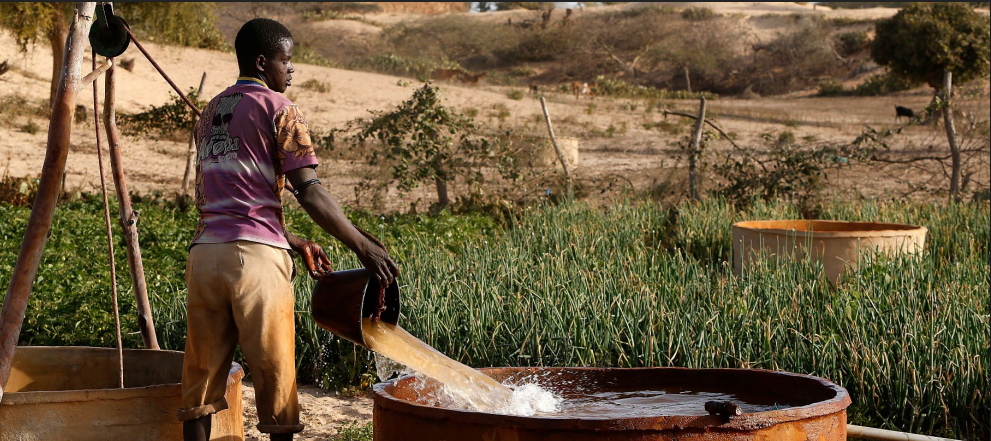
Every year, millions of smallholder farmers in Africa and Asia see their crops devastated by natural disasters. A quarter of adults in low- and middle-income countries have already been affected by such a disaster. For farming households, this reality is not abstract: the loss of income often means the loss of a future.
Faced with this emergency, how can we protect the most vulnerable? How can we transform microfinance into a shield against climate unpredictability?
An ambitious program: four years to lay the foundations
Between 2021 and 2025, a program funded by Proparco and implemented by the Grameen Crédit Agricole Foundation and the ILO supported twelve microfinance institutions in Africa and Asia to develop microinsurance solutions adapted to populations vulnerable to climate shocks.
The approach adopted was progressive and structured: raising awareness among teams, providing in-depth technical support, and then offering intensive assistance with the integration of expertise within the institutions. The results speak for themselves: insurance departments created, agricultural products tested, teams trained, and strategic partnerships established.
Despite these advances, the path to large-scale inclusive insurance remains fraught with obstacles:
- Lack of reliable data : without robust climate and agricultural data, it is difficult to design relevant and viable products.
- Low insurance culture Rural populations have little knowledge of insurance and its benefits.
- Massive need for digitalization Technologies must be accessible and adapted to rural contexts.
- Fragile business models Without patient and long-term investment, these initiatives remain precarious.
- From experimentation to large-scale : the frontier
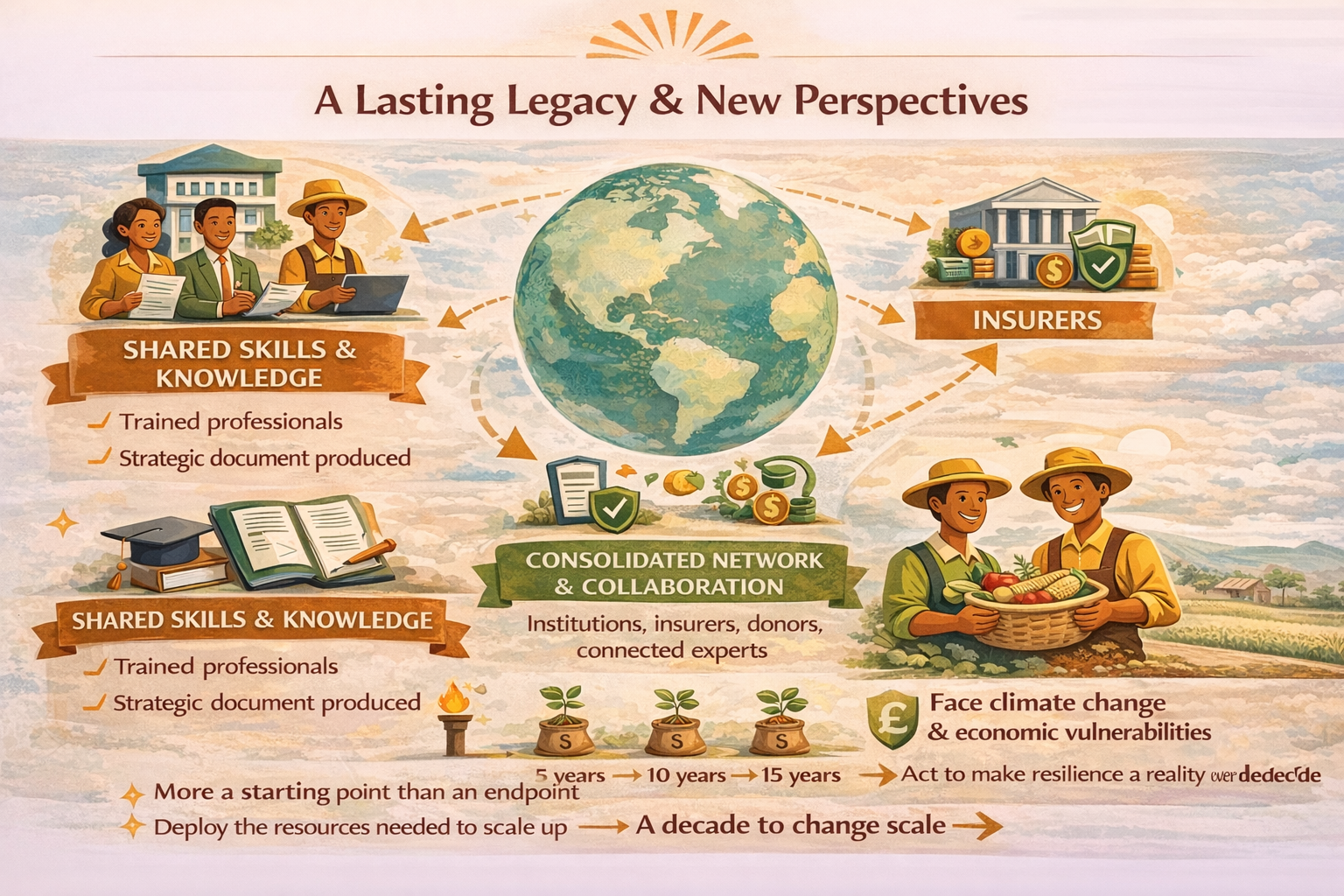
These four years have laid solid foundations. They have demonstrated that, with the right support, microfinance institutions can become credible players in inclusive insurance.
But the real question now is: how do we move from experimentation to scaling up?
Faced with accelerating climate change, inclusive insurance must no longer be a pilot project. It must become a structuring pillar of agricultural and financial resilience. This requires long-term commitments, patient investments, and the political will to transform these foundations into sustainable markets.
The question is no longer whether we should invest in inclusive insurance. It is: how do we structure sustainable commitments to make them a reality for millions of small farmers?
Read the full article via this link.