Women and financial services: what impact studies reveal


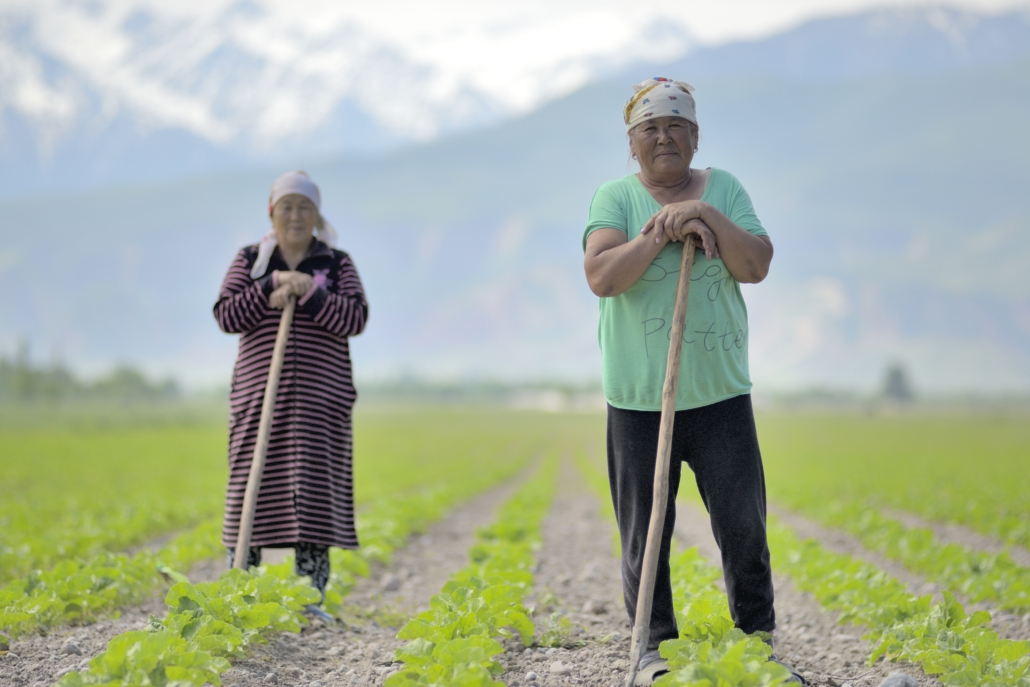
The Grameen Crédit Agricole Foundation conducted three impact studies with its microfinance partners. OXUS Tajikistan, OXUS Kyrgyzstan and Ugafode Uganda. This research offers valuable insights into the actual effectiveness of women's financial inclusion and the persistent barriers.

Positive but incomplete results

Microfinance services generate tangible improvements: increased income, strengthened financial confidence and improved quality of life. In Tajikistan, 83% of clients report an improvement in their income. In Uganda, 97% of loan recipients report a positive change.

However, these figures mask a more complex reality. Financial resilience remains fragile Only 56% of Ugandan clients can cope with an unexpected expense. Traditional success measures, such as loan volume and number of clients, do not capture this underlying vulnerability.

Three major challenges

The exclusion of women from financial decisions This problem persists, particularly in rural areas and among less educated women. In Kyrgyzstan, more than one in seven women is completely excluded from decisions regarding the use of their own loans. This dynamic extends beyond the reach of financial institutions and requires multi-sectoral partnerships.

Operational frictions Hidden fees, rigid repayment schedules, low digital adoption, and perceived punitive collection practices damage customer satisfaction. These obstacles create mistrust despite initial confidence in the institution.

Refugee populations face cumulative constraints. In Uganda, refugee clients underperform on almost all indicators: lower incomes, reduced financial resilience, and significantly lower satisfaction.

From study to action

These findings catalyzed concrete changes. In Tajikistan, the institution is adapting its new savings products to the needs of women and increasing the proportion of female staff. In Kyrgyzstan, a dedicated action plan has been integrated into the 2026 budget, including gender-sensitive training, enhanced financial literacy, and improved transparency.

Lessons for the sector

Financial inclusion is not a binary objective. Access to credit is a starting point, not a destination. Non-financial services—training, savings, insurance, business support—are essential multipliers of results.

The Grameen Crédit Agricole Foundation remains committed to transforming these learnings into lasting impact, supporting its partners so that women's financial inclusion truly becomes empowering.

🔗 Full article via this link

THE GRAMEEN CRÉDIT AGRICOLE FOUNDATION PUBLISHES ITS 2025 REPORT

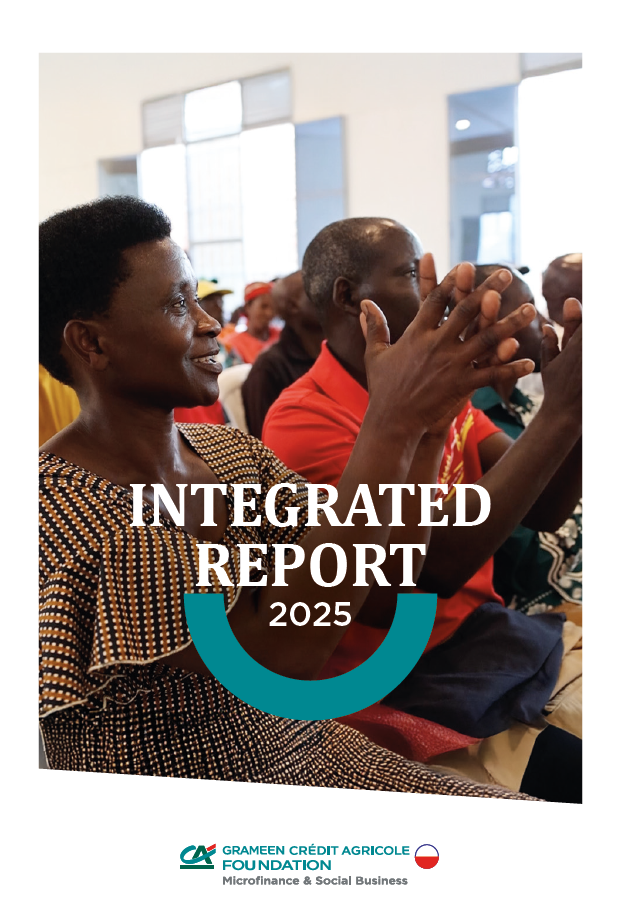
The Grameen Crédit Agricole Foundation publishes its integrated 2025 report, marking a strategic turning point with the adoption of the LIFT 2028 plan. Faced with contemporary challenges, climate change, geopolitical instability, and reduced public development aid, the Foundation is strengthening its commitment by combining two complementary approaches: finance and protect.

The 2025 results

In 2025, the Foundation continued its mission to support vulnerable populations through a network of 77 partners present in 40 countries. More than 7 million people now have access to financial solutions tailored to their needs. Women represent 82 % customers, confirming their central role in the economic and social development of their communities.

Key figures:

  • €84.3 million in monitored portfolio assets
  • 29 financing projects approved for €46.1 million
  • 22 technical assistance projects carried out with 36 partners in 19 countries

Key initiatives in 2025

Financial inclusion of refugees in Uganda : Since 2019, the Foundation has been supporting the financial inclusion of refugees alongside its partners UGAFODE and VisionFund Uganda. In 2025, a new phase was launched with the support of Proparco, aiming to expand this approach and disseminate the lessons learned. 100,000 refugees and members of host communities have already accessed suitable financial services. The goal is to achieve 25,000 new beneficiaries by 2027.

Resilience of small agricultural producers : The SSNUP (Smallholder Sustainability Upscaling) program supported a total of 14 partners in 10 countries to strengthen the resilience of smallholder farmers. Two projects are highlighted in the report for 2025: MicroLoan Foundation Malawi for the digitalization of agricultural services for 17,000 female farmers, and ACRE Kenya for the development of agricultural insurance, affecting 50,000 agricultural households and creating 250 jobs via the Champion Villages network.

Climate adaptation and biodiversity : The Foundation has launched a program in Senegal, Benin, and Zambia, funded by IFAD and GEF, aimed at strengthening the capacities of four financial institutions. This program will enable 3,500 farmers to access tailored climate adaptation solutions, with priority given to women.

LIFT 2028: a new strategic direction

Adopted in 2025, the LIFT 2028 strategy is based on two major pillars:

Diversify your actions : The Foundation is expanding its reach beyond traditional microfinance by supporting impact-driven businesses focused on access to water and energy. It is also developing innovative thematic funds, such as the LIFT fund, which combines climate adaptation and inclusive finance. This approach allows the Foundation to support the most successful and innovative institutions while also opening itself up to new entrepreneurial ecosystems.

Cooperate more : The Foundation is strengthening its synergies with its two co-founders, Crédit Agricole and the Grameen Trust. It is also establishing itself as a leading player by sharing lessons learned from its investments and promoting inclusive finance among donors and investors.

The Foundation's new strategy is based on a conviction: we can only protect sustainably what we have helped to build, and we can only finance usefully if we also contribute to preserving the gains achieved.

This approach translates into:

  • Increased support for mature microfinance institutions
  • The development of protection solutions, particularly in agricultural insurance and climate risk management
  • Enhanced technical assistance, directly linked to the needs of partners
  • Integrating climate, social and human issues into the heart of activities

The 2025 report illustrates the Foundation's ongoing commitment to making finance accessible to those who need it most. By combining financing and protection, the Grameen Crédit Agricole Foundation demonstrates that another kind of finance is possible: finance that empowers people to take action while sustainably protecting the progress achieved.

Download the complete 2025 integrated report

Watch the video presentation of the 2025 report

Podcast: A journey with changemakers in inclusive finance and social entrepreneurship #7


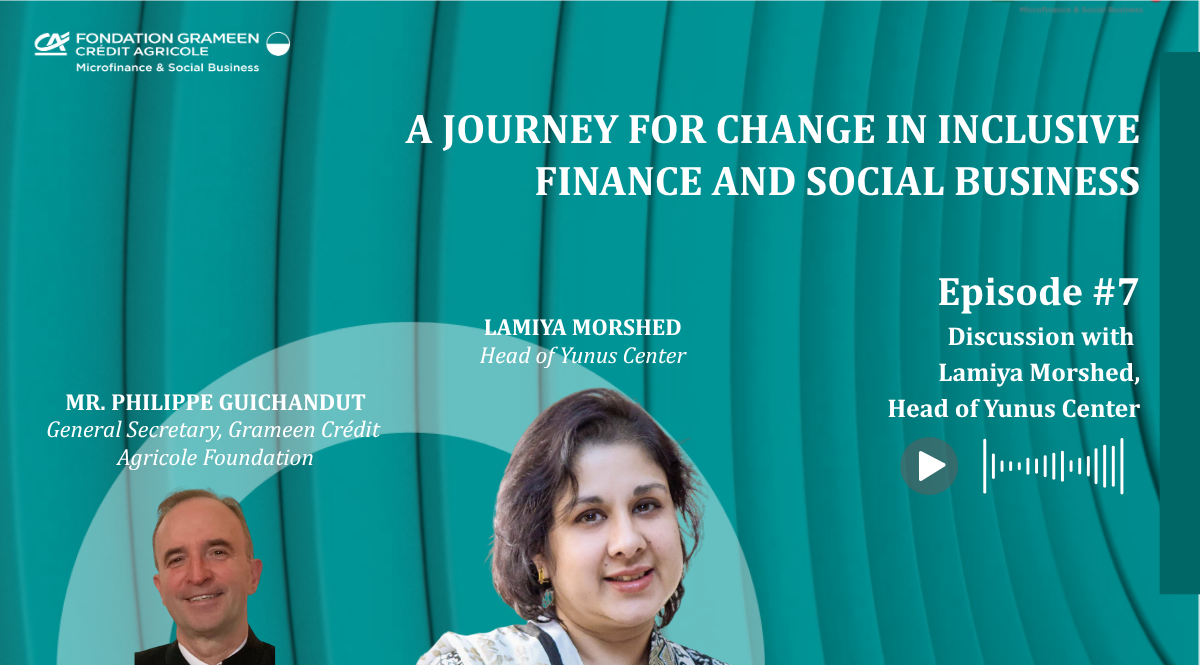
EPISODE 7: INCLUSIVE FINANCE AS A LEVER FOR EMANCIPATION WITH LAMIYA MORSHED

Discover the podcast : Episode 7

Welcome to our podcast series

The Grameen Crédit Agricole Foundation continues its podcast series showcasing the stories of Grameen family leaders who are reshaping the landscape of inclusive finance and social business worldwide. In this seventh episode, we meet Lamiya Morshed, director of the Yunus Center for Social Business and a pioneer in microfinance since 1991, to explore her journey with Professor Muhammad Yunus and her vision of inclusive finance as a tool for empowerment.

What you'll discover

Lamiya Morshed shares her incredible journey, from her first internship at Grameen Bank in 1991 as a student at the London School of Economics, to her pivotal role in replicating microfinance in over 37 countries. Explore how she worked alongside Professor Yunus to transform a revolutionary idea born in Bangladesh into a global movement. Discover how she contributed to the implementation of the Three Zeros strategy and how she inspires the next generation to become agents of change.

Key Highlights

  • Economic diplomacy How a revolutionary idea created in Bangladesh proved its global relevance, attracting donors and organizations from around the world
  • The fundamental role of women Why do women, when presented with an economic opportunity, prioritize investing in their family's health and education, creating a multiplier effect?
  • The evolution of microfinance How microfinance was gradually refined and then complemented by social entrepreneurship and the Three Zeros vision
  • The 3 Zeros Clubs A pioneering initiative where young people, from the age of 12, form peer groups to take action on the Three Zeros (Zero Poverty, Zero Unemployment, Zero Net Carbon Emissions) in their own lives.
  • The impact of change in Bangladesh How Professor Yunus's transitional government reforms contribute to achieving the Sustainable Development Goals

Why this matters

The world faces interconnected challenges: persistent poverty, youth unemployment, environmental degradation, and gender inequality. Lamiya Morshed shows us that inclusive finance is not simply an economic tool; it is a powerful lever for empowerment for individuals, families, and communities. Her experience of over 30 years demonstrates that when the poorest people, particularly women, receive access to appropriate financial services, they become the primary agents of their own development and that of their society.

Perfect for

Social entrepreneurs and impact creators, policymakers and public transformation actors, innovators in inclusive finance, women entrepreneurs, young people seeking meaning and purpose, advocates for climate action and the circular economy, impact investors, leaders of non-profit organizations, and all those who believe that systemic change is possible and necessary.

Key quotes

«"When you give a woman an economic opportunity, she benefits not only herself, but also her family and her community."»

«"Everyone has power. Young people, especially girls, have a very important role to play, starting today."»

Listen now and be inspired by the woman who has dedicated her life to proving that inclusive finance is a powerful and transformative lever for empowerment.

Subscribe to our podcast series to stay informed about upcoming episodes featuring other transformative leaders from the Grameen family who are creating change across continents and sectors.

Discover the podcast via this link

French transcript

English transcript

Advans Côte d'Ivoire, the big winner of the 2026 National Microfinance Days

Five prizes for one single mission: to make finance accessible to all

The Grameen Crédit Agricole Foundation is proud to celebrate its partner Advans Côte d'Ivoire, which emerged as the big winner of the second edition of the National Microfinance Days (JNM) held on June 25 and 26, 2026 in Abidjan. The microfinance institution won five prestigious awards recognizing its development strategy and economic impact:

Financial Inclusion Award – recognizing its commitment to expanding access to financial services for historically excluded populations

Responsible Finance Award – celebrating its ethical practices and customer protection

Rural Finance Award – welcoming its direct support for the agricultural sector

Institutional Transparency Award – reflecting its commitment to governance

Digital Transformation Award – highlighting its capacity for innovation

A real impact in service of rural women

Behind these five awards lies a concrete and measurable impact. Thanks to our partnership with Advans Côte d'Ivoire, we support women farmers who are strengthening their agricultural activities and developing their businesses. With tailored support, combining credit, savings, and insurance, they improve their harvests, save more, and actively participate in the development of their communities.

When a woman gains economic independence, her entire family and village benefit. 💪

Discover their inspiring stories

Dive into the stories of these women in our latest video report, produced and published by the "« Le Média Positif Afrique » in partnership with the Grameen Crédit Agricole Foundation.

Watch the video.

These five awards demonstrate Advans Côte d'Ivoire's commitment to financial inclusion and sustainable development. With over 275,000 clients, the institution continues to serve entrepreneurs, traders, and artisans through its 27 branches and more than 40 partner locations in Côte d'Ivoire.

Climate finance for smallholder farmers: the GEF-IFAD program in action

Climate change threatens the viability of family farms in sub-Saharan Africa. Prolonged droughts, unpredictable floods, and erratic seasonal variations are jeopardizing the food security of millions of people.

Microfinance institutions are the preferred partners of smallholder farmers, but most lack the tools to assess and manage climate risks when granting credit. This is the challenge that the Grameen Crédit Agricole Foundation has committed to addressing.

An ambitious program funded by the GEF and IFAD

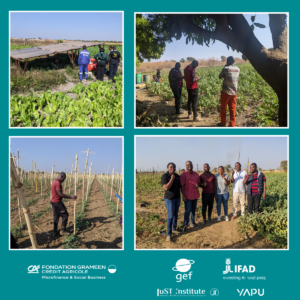
The Foundation coordinates the program «Indicators and framework for financing climate change adaptation and biodiversity conservation», funded by the Global Environment Facility (GEF) and theIFAD.

This program aims to transform how financial institutions assess climate risks in their loan portfolios. In partnership with the JuST Institute, the Foundation develops innovative indicators, methodological frameworks and technological tools to integrate climate resilience into the heart of lending processes and encourage the financing of adaptation solutions.

The program operates in Senegal, in Benign and in Zambia, targeting 3,500 smallholder farmers, with particular attention to women farmers. The approach recognizes that each region and financial institution has its own characteristics, requiring methodological standardization coupled with flexibility for local adaptation.

YAPU: a technological tool for climate finance

YAPU, our technology platform partner is designed for rural African contexts where connectivity is limited. It integrates climate risk assessment directly into the credit granting process, enabling loan officers to collect data and generate a real-time risk assessment.

In June 2026, YAPU tested the platform alongsideAgora Microfinance Zambia (AMZ) and VisionFund Zambia, validating several key principles:

  • Connectivity is not an obstacle : YAPU works without a stable internet connection, synchronizing data as soon as possible.
  • The field validates the theory : Actual interviews with farmers confirmed that the workflows work where it really matters.
  • Essential local adaptation : Adapting YAPU to the realities of each institution while maintaining a standardized methodology has proven crucial.
  • Adoption is a human process : Continuous support and on-the-ground coaching have transformed the tool into a trusted element of daily work.

A measurable and lasting impact

This program creates a systemic shift in how rural finance integrates climate resilience. Benefits include: climate-responsive credit for farmers, improved risk management for financial institutions, enhanced agricultural resilience for communities, and finance that encourages sustainable practices.

A strategic collaboration

This program is the result of a collaboration between the Grameen Crédit Agricole Foundation (coordinator), the JuST Institute, the partner financial institutions, YAPU, the GEF and theIFAD.

Together, we are building a climate finance infrastructure designed for real-world conditions and lasting impact. 🌍

Study on Oxus Tajikistan women clients


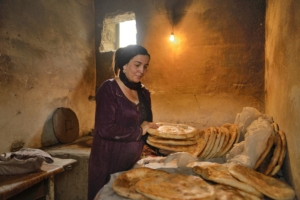
OXUS Tajikistan, Robiyamo Rakhimova, Bakery; 2 employees; Join OXUS in 2017
6 loans from 30 to 50,000 somonis; Use to buy flour, pay employees; Plan to electrify the oven.

Listen to 261 women in Tajikistan

As a partner of OXUS Tajikistan, we participated in an impact study conducted by the firm leonardo.impact. Between November and December 2025, we interviewed 261 clients to measure the true impact of microfinance services on their lives.

Promising results, but opportunities to be seized

  • 90 % report an improvement in their income thanks to OTJ's services
  • 89 % find loan repayment easy, well above the Asian benchmark of 78 %
  • 94 % report increased confidence in independent financial decision-making
  • 79 % could face a significant unexpected expense, nearly three times the global benchmark of 28 % for women

Beyond credit: identifying gaps

However, the study also reveals significant opportunities to strengthen long-term empowerment. Although 91 % of the clients are satisfied with the size of their loans, structural challenges persist:

  • The lack of savings : 89 % customers do not have a savings account, although 82 % express an interest in opening one, citing trust in OXUS as a key factor.
  • Gaps in financial education Although 87% of clients report not needing additional training, only 11.1% have ever received financial education. The most vulnerable clients, particularly those with incomplete secondary education, face greater difficulties.
  • Shared decision-making Although women are heavily involved in household lending decisions, some are solely responsible for repayment, creating an asymmetry that can increase financial stress.

Towards an integrated and inclusive offer

For OXUS Tajikistan, this study paves the way for a strategic transformation:

  • Expanding access to savings and complementary services :
  • Integrating financial education: Incorporate practical training modules into loan cycles, with an emphasis on budgeting, goal setting and cash flow management.
  • Strengthening the gender-sensitive approach Increasing the recruitment of female credit officers (72% of clients prefer to discuss finances with officers of the same sex) and integrating financial advice at the household level could alleviate psychological and financial pressures.
  • Review the loan terms Reviewing interest rates, rigid repayment terms, and penalty policies could significantly improve customer satisfaction and experience.

This study demonstrates that OXUS Tajikistan is already generating positive and significant results for its clients. High levels of trust, satisfaction with loan amounts, and ease of repayment confirm that the core credit products are well aligned with customer needs.


➡️ More information here: Leonardo Oxus Report Tajikistan

The Grameen Crédit Agricole Foundation joins the GSEF

The Grameen Crédit Agricole Foundation is pleased to announce its membership in Global Forum for Social and Solidarity Economy (GSEF).

About the GSEF

Founded in Seoul in 2013, the GSEF is a global network mobilizing local governments and civil society actors around the Social and Solidarity Economy (SSE). With its headquarters now located in Bordeaux since 2022, the GSEF brings together 91 members from 36 countries across 5 continents, making it an essential platform for promoting a more inclusive and sustainable economy.


A joint mission

By joining the GSEF, the Grameen Crédit Agricole Foundation pursues a shared objective: to support the development of the social and solidarity economy (SSE) worldwide. This involves dialogue between public authorities and civil society actors to co-create public policies that favor the SSE and contribute to achieving the Sustainable Development Goals.


Our areas of action

Our membership in the GSEF allows us to actively contribute to its five strategic pillars:

  • Advocacy at the international, national and local levels
  • Training and capacity building territories
  • Support for development networks of public and private actors
  • Promoting initiatives and exchange of experiences
  • Applied research and publications

Alongside our peers around the world, we will amplify our advocacy for inclusive and responsible finance, strengthen our capacities by sharing experiences, and contribute to the establishment of ecosystems favorable to the social and solidarity economy.


A strengthened commitment

This membership represents an important step in our commitment to the Social and Solidarity Economy, strengthening our position in promoting a fairer and more sustainable economy, rooted in local communities and serving the most vulnerable populations.

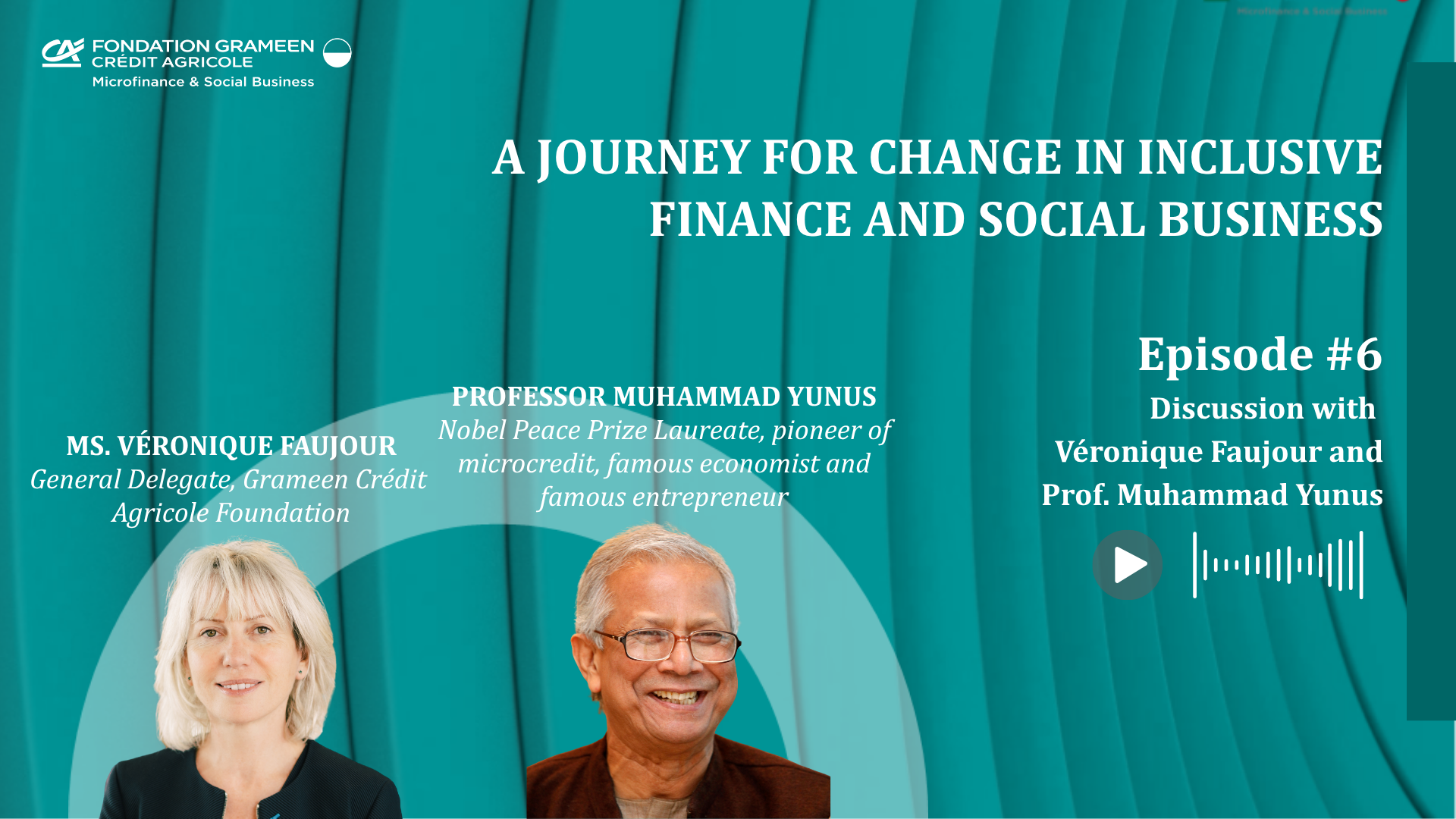
Podcast: A Journey for change in Inclusive Finance and Social Entrepreneurship #6

Episode 6: The Economy Three Zeros with Professor Muhammad Yunus: Building a world without poverty, unemployment and net carbon emissions

Discover the podcast: Episode 6

Welcome to our podcast series

The Grameen Crédit Agricole Foundation continues its podcast series that features stories from leaders of the Grameen family who are reshaping the landscape of inclusive finance and social business around the world. In this sixth episode, we meet Professor Muhammad Yunus, Nobel Peace Prize laureate, microfinance pioneer and visionary of social entrepreneurship, to explore his trajectory from Bangladesh to the world stage and his vision of the Three Zeros: Zero Poverty, Zero Unemployment and Zero Net Carbon Emissions..

What you'll discover

Professor Yunus shares his journey, from the 1970s in Bangladesh where he challenged the paradigm of inevitable poverty to his recent role as head of the transitional government organizing democratic elections in Bangladesh for 180 million people. Explore how his simple intuition "What if the poorest could become actors in their own development?" changed our understanding of entrepreneurship, financial inclusion, and social change. Also discover his latest initiative: a pioneer university entirely dedicated to the creation of a world of Three Zeros..

Key Highlights

  • The power of simple intuition How a question asked in 1976 in Bangladesh enabled the development of microfinance, redefining what poor people can achieve
  • The fundamental role of women : Why women, naturally creative and imaginative, are the main drivers of social entrepreneurship and economic transformation
  • The Three Zeros Vision A radically different economy, based on Zero Poverty, Zero Unemployment and Zero Net Carbon; not as a utopia, but as a necessity
  • Imagination as a foundation of change Imagination costs nothing but creates everything: it is the starting point of any real transformation
  • A new university launched this year that completely rethinks education, training job creators rather than job seekers
  • Young people as architects of the future How to inspire a generation to define which world they want to build

Why this matters

The world is facing an unprecedented convergence of crises: persistent poverty, youth unemployment, environmental degradation, and gender inequality. Professor Yunus is proposing not a series of solutions, but a complete new imagination of the economic system itself. His Three Zeros vision is not a distant dream – it is an urgent call to rethink our institutions, our universities, our businesses, and our very conception of what it means to “create value.”

Perfect for

Social entrepreneurs and impact creators, political decision-makers and public transformation actors, innovators in inclusive finance, women entrepreneurs, young people seeking meaning and purpose, advocates of climate action and the circular economy, impact investors, leaders of non-profit organizations, and anyone who believes that systemic change is possible and necessary.

Key quote

" What if the poorest people could become the actors of their own development? " – Professor Yunus' founding question

" Imagination costs nothing. Imagine what you want to build and you'll be amazed to see it become reality. "

Listen now

Listen now and be inspired by the visionary who showed the world that another economic system is possible.

________________________________________

Subscribe to our podcast series to stay informed about upcoming episodes featuring other transformative leaders from the Grameen family who are creating change across continents and sectors.

Discover the podcast via this link


French transcript

English transcript

Study on OXUS women clients in Kyrgyzstan

Grameen Credit-Agricole Foundation OXUS Amankulovo Shirimbubu Woner of 2.5 hectares of sugar beet. She bought beet plants using her 8th loans Zatbek Samamkhan Furnitures shop She belongs on a group Loan of 700,000 tenges To buy stock Interview with her loan officer Lyailiya Bimenova

Measuring the true impact: the experience of 271 women in Kyrgyzstan

As a partner of OXUS Kyrgyzstan, We participated in an impact study conducted by the firm leonardo.impact, in collaboration with the local service provider M-Vector. Between November and December 2025, we interviewed 271 women borrowers across Kyrgyzstan to measure the true impact of microfinance services on their lives.

Significant progress, but persistent challenges

The results are compelling: 83% of women report improved income and better quality of life, while 78% feel more confident in their financial decisions. However, the study reveals significant challenges: 26% of women face significant vulnerability regarding financial resilience, and 15% of women report being completely excluded from decisions about how their loan is used.

Beyond credit: towards sustainable empowerment

This study illuminates the path forward: beyond credit alone, sustainable transformation requires integrating savings, insurance, and financial education to convert economic gains into genuine empowerment.


➡️ More information here: Report OKG x GCAF x leonardo

Celebrating the Women Who Feed the World

Celebrating the Women Who Feed the World

This edition of "Field News" celebrates the 2026 International Year of Woman Farmer by highlighting the work of four partners of the Grameen Credit Agricole Foundation: Kashf Foundation in Pakistan, Mikra in Bosnia-Herzegovina, MicroLoan Foundation in Malawi, and OXUS in Tajikistan.

Through inspiring testimonies, the article demonstrates how financial inclusion, technical training, and capacity building can improve significantly the lives of women farmers. Although their contributions to food security and community resilience often remain invisible and underfunded, these initiatives show that meaningful change is possible.

Women like Mumtaz in Pakistan, Jasminka in Bosnia-Herzegovina, Mary in Malawi, and Zinnatoy in Tajikistan embody this transformation. They illustrate how access to credit, to saving, to insurance, to modern agricultural knowledge, and support networks enable them to develop thriving enterprises, strengthen the resilience of their households, and become agents of economic and climate change in their communities.

These experiences underscore a shared conviction: investing in women farmers is not merely a matter of equality, it is a necessity for sustainable economic growth, food security, and climate adaptation.

Discover how financial inclusion and community support are redefining the conditions for success for farmers around the world, and how our partners' models in Pakistan, Bosnia and Herzegovina, Malawi and Tajikistan can be adapted to different contexts.

➡️ More information here: 2026: International Year of the Woman Farmer


🔗 Full article via this link